


Key Highlights
- Barbell exercises are highly effective for building muscle mass and overall strength through compound movements.
- This form of strength training boosts both muscle strength and endurance, making it a versatile workout choice.
- Barbell training is efficient, allowing you to work multiple muscle groups simultaneously for a full-body workout.
- It improves athletic performance by increasing power, speed, and agility.
- Barbells are cost-effective and space-saving, making them ideal for a home gym setup.
- Fundamental lifts like squats and deadlifts create a strong foundation for any fitness routine.
Introduction
Are you looking to enhance your fitness routine and see significant results? Barbell exercises might be the perfect addition. Often seen as a staple in the gym, barbells are powerful tools for strength training that can transform your workouts. They are incredibly versatile, allowing you to target multiple muscle groups at once for a comprehensive and efficient session. Whether you're a beginner or a seasoned lifter, incorporating barbell movements can help you build strength, increase muscle, and achieve your fitness goals faster.
Why Choose Barbell Exercises for Strength and Endurance?

Barbell training is a fantastic choice if you're aiming for significant strength gains and improved endurance. Unlike machines that isolate specific muscles, barbells engage multiple muscle groups at once, promoting functional strength that translates to everyday activities. This integrated approach helps you achieve your fitness goals more efficiently.
This method is excellent for both muscle building and boosting stamina. As you lift, you challenge your body to grow stronger and more resilient. The versatility of barbell training means you can adjust the weight and exercises to continuously push your limits, ensuring you see consistent progress on your fitness journey.
(RELATED: 8 Must-Try Barbell Workouts for Total Body Strength)
Barbell Training vs. Other Strength Workouts
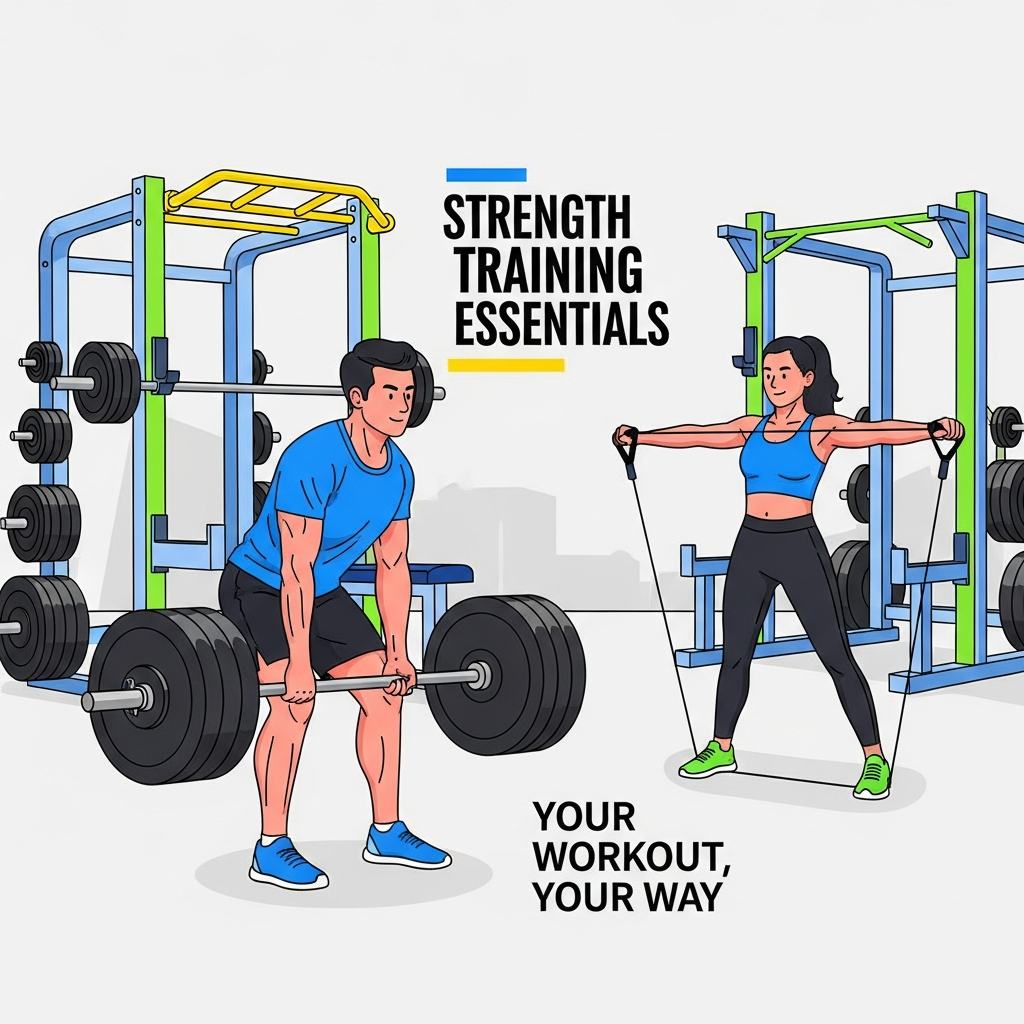
When it comes to strength development, barbell training stands out from other workouts. Barbells excel at facilitating compound movements, which are exercises that work several muscle groups across multiple joints simultaneously. This is a key reason why they are so effective for building overall strength and muscle size compared to isolation-focused machine workouts.
The free-form nature of barbell exercises also requires you to use your stabilizer muscles for balance and control. This not only strengthens the primary muscle groups you're targeting but also enhances your coordination and core stability, which is a benefit you don't get to the same extent with machines.
Here’s a quick comparison to highlight the differences:
|
Feature |
Barbell Training |
Machine Workouts |
Dumbbell Workouts |
|---|---|---|---|
|
Muscle Activation |
High (engages multiple muscle groups and stabilizers) |
Low (isolates specific muscles) |
High (engages stabilizers, but with less potential for heavy loads) |
|
Strength Development |
Excellent for maximal strength gains |
Good for targeted muscle building |
Good for functional strength and stability |
|
Movement Pattern |
Natural, functional movements |
Fixed, guided path of motion |
Versatile, allows for greater range of motion |
Key Benefits for Overall Fitness and Wellness
Incorporating barbell exercises into your strength training routine offers a wealth of benefits that extend beyond just building muscle. This type of training is a fantastic way to enhance your overall fitness and well-being, making it a valuable part of any fitness journey. You'll find that the strength you build translates directly into your daily life.
A major benefit lies in the improvement of practical strength. Because barbell movements often mimic real-life actions like lifting, pushing, and squatting, you'll find everyday tasks become easier. This contributes to better posture, improved balance, and greater muscle endurance for whatever the day throws at you.
Here are some key benefits you can expect:
- Increased muscle mass and improved metabolism.
- Enhanced bone density, which helps reduce the risk of osteoporosis.
- Improved neuromuscular connection for better coordination.
- Greater overall power and athletic performance.
Core Benefits of Barbell Training
Barbell training is renowned for its ability to deliver impressive strength gains and increase muscle mass. The use of compound exercises like squats and deadlifts allows you to lift heavier weights than you could with other equipment, which is a primary driver for muscle growth and strength development.
This training style is not just about getting bigger and stronger; it also has a significant impact on your endurance. By performing exercises with a barbell, you can structure your workouts to challenge both your muscular and cardiovascular systems, leading to well-rounded fitness improvements. Let's look closer at how barbells help with hypertrophy and endurance.
Muscle Growth and Hypertrophy Advantages
If muscle growth is your goal, barbell strength training is one of the most effective methods you can use. The ability to progressively add heavy weights is crucial for hypertrophy, which is the process of increasing muscle size. Barbells are perfectly suited for this, allowing you to consistently challenge your muscles and stimulate development.
Compound movements are at the heart of why barbells are so effective. Exercises like the bench press, squat, and deadlift recruit a large number of muscle fibers across multiple muscle groups in a single lift. This high level of muscle activation creates the necessary stimulus for significant muscle growth.
Furthermore, lifting heavy weights with a barbell triggers a greater hormonal response, including elevated levels of testosterone and growth hormone, which are vital for muscle repair and growth. This makes barbell training a powerful tool for anyone serious about muscle development.
How Barbell Workouts Boost Endurance
While barbells are famous for building strength, they are also excellent for boosting muscle endurance. You can tailor your barbell workouts to focus on higher repetitions with lighter weights, which challenges your muscles to work for extended periods. This approach is perfect for improving your stamina.
A well-designed training routine can incorporate full-body exercises that get your heart rate up, providing a cardiovascular benefit alongside muscular work. By performing circuits or complexes with a barbell, you can keep your body moving and your muscles under tension, which is a fantastic way to build endurance across all major muscle groups.
Here’s how barbell workouts can specifically target endurance:
- Performing higher rep ranges (12-20 reps) builds muscular stamina.
- Using lighter, specialized cardio barbells allows for repetitive, aerobic-style movements.
- Minimizing rest between sets keeps your heart rate elevated.
- Barbell complexes combine several exercises into one continuous flow, challenging both strength and endurance.
Building a Strong Foundation with Barbell Movements
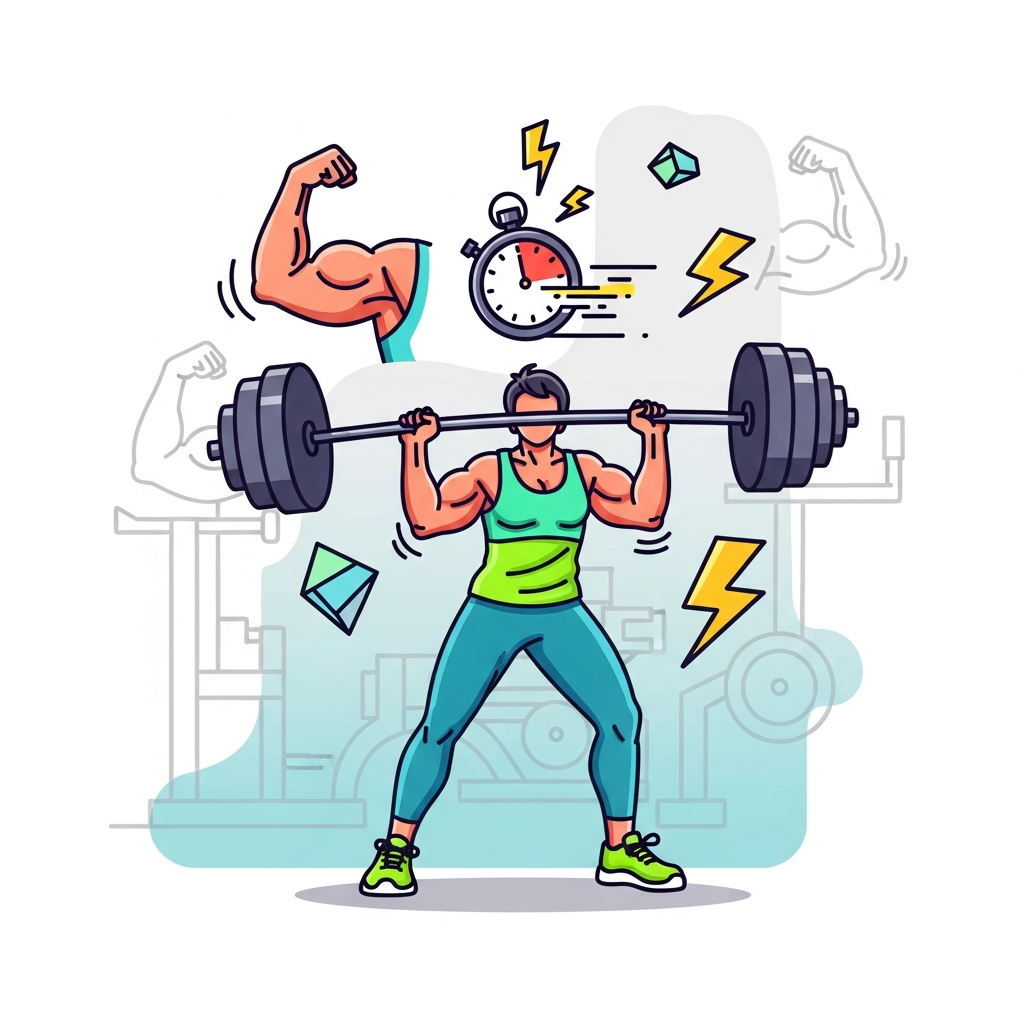
Barbell movements are often considered the foundation of any serious strength training program, and for good reason. These fundamental lifts teach you how to move your body as a single, coordinated unit, which is essential for building true muscle strength. Mastering the basics provides a solid base upon which all other training can be built.
By focusing on core barbell lifts, you develop the stability, form, and power needed to progress safely and effectively. Whether you're new to lifting or an experienced athlete, these movements are the key to unlocking your strength potential. Let's explore the essential lifts and how they contribute to full-body power.
Fundamental Barbell Lifts Every Beginner Should Know
For anyone starting their strength training journey, a few fundamental barbell lifts are essential to learn. These exercises form the bedrock of countless training programs and are perfect for beginners because they teach proper movement patterns while building all-over strength. Mastering the correct form from the starting position is crucial for safety and effectiveness.
The "Big Four" barbell exercises are a great place to start. These compound lifts work multiple muscle groups, making your workouts incredibly efficient. Learning these movements will give you the confidence and physical foundation to explore more advanced exercises later on.
Here are the key barbell lifts to focus on:
- Squat: A lower-body powerhouse that builds leg and glute strength.
- Deadlifts: A full-body exercise that develops your posterior chain, back, and grip strength.
- Bench Press: The classic upper-body lift for building chest, shoulder, and triceps strength.
- Overhead Press: An excellent movement for developing strong, stable shoulders.
Unlocking Full-Body Strength and Stability
Barbell training is exceptional at unlocking full-body strength because it forces your body to work as an integrated system. When you perform compound exercises, you’re not just isolating one or two muscle groups; you’re recruiting a vast network of muscles to work together to move the weight. This builds a type of strength that is both powerful and practical.
As you get more comfortable with barbell lifts, your body refines its neuromuscular control. This is the communication link between your brain and your muscles. Better neuromuscular control means your muscles learn to fire more efficiently and in the correct sequence, allowing you to lift heavier weights and generate more power.
This process helps you build not just muscle mass, but also a deep sense of stability and coordination. You'll feel stronger and more capable, not just in the gym, but in all aspects of your life. This is how barbell training truly helps you unleash your inner strength.
Barbell Exercises for Athletic Performance
If you're an athlete, incorporating barbell exercises into your training program is a game-changer. This form of strength training is directly linked to improved athletic performance, as it builds the raw power and strength needed to excel in any sport. Lifts that develop lower body strength, like squats and deadlifts, are particularly beneficial for explosive movements.
Barbell training helps you generate more force, run faster, and jump higher. The functional strength developed through these exercises translates directly to the field, court, or track, giving you a competitive edge. Let's delve into how barbells can boost your power and help prevent injuries.
Improving Power, Speed, and Agility
Barbell training is a cornerstone for improving key components of athletic performance like power, speed, and agility. Power, which is a combination of strength and speed, is dramatically enhanced by explosive barbell movements. Lifts like the hang power clean teach your body to generate force quickly, which is crucial for sports that require jumping, sprinting, or throwing.
By building a stronger foundation, especially in the lower body and core, you’ll naturally become faster. Stronger muscles can produce more force against the ground, leading to longer strides and quicker acceleration. Barbell exercises like squats and lunges are fundamental for developing this type of leg strength.
Agility, the ability to change direction quickly and efficiently, also benefits from barbell training. The enhanced stability, balance, and neuromuscular control you gain from lifting free weights help your body react and move more effectively during unpredictable game-time situations.
Injury Prevention and Functional Movement
One of the most important benefits of barbell training is its role in injury prevention. By strengthening the muscles, tendons, and ligaments that support your joints, you create a more resilient body. This reduces the risk of injury not only during sports but also in daily activities.
Barbell exercises promote healthy movement patterns by teaching you to move with proper form and alignment. This functional strength makes everyday tasks, like lifting heavy boxes or playing with your kids, safer and easier. When your body is strong and moves efficiently, the strain on your joints and spine is significantly reduced.
To ensure you're minimizing the risk of injury with barbell training:
- Strengthen your connective tissues and bones.
- Improve balance and coordination.
- Correct muscular imbalances by working both sides of the body.
- Enhance core stability to protect your spine.
Getting Started with Barbell Strength Training
Ready to begin your barbell strength training journey? It's a fantastic way to build muscle strength and transform your physique. One of the best things about barbells is their simplicity; with just a bar and some weights, you can create an effective training routine in a commercial or home gym.
The key to success with barbells is progressive overload—gradually increasing the weight, reps, or sets to continuously challenge your muscles. This principle ensures you keep making progress. Now, let's discuss how to choose the right equipment and the safety essentials you need to know.
Choosing the Right Barbell and Weight for Your Goals
Selecting the right barbell and weights is the first step in building an effective training program. Your choice will depend on your fitness goals. If you're focused on building maximum strength, a standard or Olympic barbell that can handle heavy weights is ideal. These are versatile and allow you to target all major muscle groups.
For those more interested in muscular endurance or cardio-focused workouts, a lighter, smaller-diameter cardio barbell might be a better fit. These are designed for higher repetitions with lighter weights. The type of barbell you choose should align with the exercises you plan to do and your long-term objectives.
When starting out, it's always best to begin with a lighter weight, or even just the barbell itself, to master the form. As you get stronger, you can gradually add more weights. The advantage of using heavy barbells is that they provide the necessary resistance to stimulate significant muscle growth and strength gains, which is essential for progressive overload.
Essential Form and Safety Tips
While barbell training is incredibly beneficial, safety should always be your top priority. Using proper technique is the most important factor in preventing the risk of injury. Focusing on form ensures that you're targeting the intended muscle groups effectively and protecting vulnerable areas like your lower back.
Before you start lifting heavy, take the time to learn the correct movements for the best barbell exercises. Consider working with a coach or an experienced lifter to get feedback on your form. Remember, it's better to lift a lighter weight with perfect form than a heavy weight with poor technique.
Here are some essential safety tips:
- Always warm up before lifting.
- Begin by using lighter weights, continuing until you’ve perfected your technique.
- Engage your core muscles to safeguard your spine.
- Use a spotter for heavy lifts, especially on exercises like the bench press.
- Listen to your body and don’t push through sharp pain.
- Secure weights with clips to prevent them from sliding off.
Conclusion
In conclusion, barbell exercises are not just about building strength; they are a gateway to achieving overall fitness and enhancing endurance. By incorporating barbells into your workout routine, you can experience significant muscle growth, improved athletic performance, and better functional movement. Whether you’re a beginner or looking to elevate your training, understanding the fundamentals of barbell workouts can help you create a strong foundation for your fitness journey. So why wait? Start reaping the numerous benefits of barbell training today! If you're ready to take the plunge, get started with a free consultation to tailor a program that suits your needs and goals.
Frequently Asked Questions
Can you build both strength and endurance with barbell exercises?
Yes, absolutely. Barbell exercises are incredibly versatile. You can focus on heavy weights and low reps in your strength training to build muscle strength, or use lighter weights with higher reps to improve muscle endurance. This adaptability makes it easy to tailor your workouts to your specific fitness goals.
Why are barbells recommended for beginners in strength training?
Barbells are great for beginners because they teach fundamental movement patterns essential for strength development. Basic barbell lifts like squats and deadlifts have a straightforward learning curve and build a solid foundation of stability and coordination, which is crucial before moving on to more complex exercises in barbell training.
Are there risks with barbell training, and how can you avoid them?
The main risk with barbell training is the potential for injury, typically due to poor form. You can avoid this by prioritizing proper technique, starting with light weights, and engaging the correct muscle groups. Emphasizing safety and not lifting beyond your capabilities is key to minimizing the risk of injury.
REFERANCE:
https://onlinejoin.abcfitness.com/signup/guest-review
https://onlinejoin.abcfitness.com/signup/guest
https://mico.myiclubonline.com/iclub/trial.htm
https://www.youtube.com/channel/UCBvI2hqc-uqEwOIdd9WwcNg
https://www.ncbi.nlm.nih.gov/pmc/articles/PMC5744434/