

Key Highlights
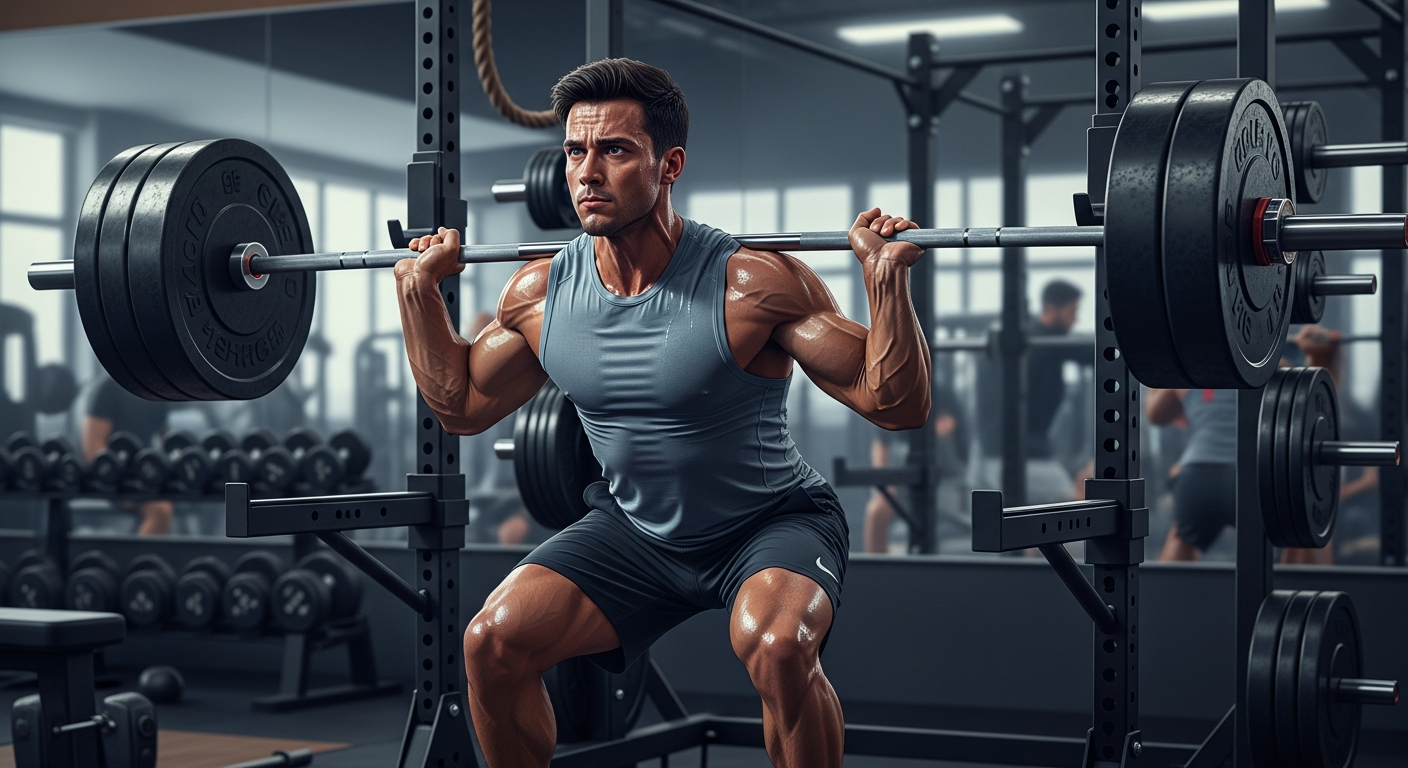
- The power clean is a full-body exercise that builds explosive strength and power.
- Learning the proper form is crucial to maximize benefits and prevent injury.
- This exercise engages major muscle groups, including your glutes, hamstrings, quads, and back.
- Mastering the four main phases—the setup, first pull, second pull, and catch—is key to a successful lift.
- Common mistakes often involve improper lifting technique and an incorrect bar path.
- With practice, adding the power clean to your routine can enhance athletic performance and coordination.
Introduction
Do you want to elevate your strength training and push it further than before?The power clean is one of the most effective exercises you can add to your routine. This dynamic barbell movement targets muscles throughout your entire body, helping you develop incredible strength and power. While it may seem complex at first, breaking it down into simple steps makes it manageable for anyone. This guide will walk you through everything you need to know to perform the power clean safely and effectively.
Understanding the Power Clean Barbell Exercise
The power clean is a popular Olympic lift focused on developing total body strength and explosiveness. It involves lifting a loaded barbell from the floor to your shoulders in one fluid, powerful motion. The "clean" refers to the pulling motion, while the "power" part highlights the quick and explosive nature of the exercise.
Before you attempt this lift, it's a good idea to have a solid foundation in deadlifts and front squats, as the power clean incorporates elements of both movements. Proper form is non-negotiable to avoid injury and get the most out of every rep. For beginners, easy variations of the barbell power clean include the hang power clean, where you start the movement from the thighs rather than the floor, and the muscle clean, which eliminates the dip under the bar and focuses on upper body strength. These alternatives allow you to build technique and confidence before progressing to the full power clean.
What Makes the Power Clean Unique Among Barbell Movements
The power clean stands out from other complex barbell movements due to its specific technique and endpoint. It's a variation of the full clean, an Olympic lift, but with a key difference: the catch. In a power clean, you catch the bar in a partial squat, with your thighs above parallel to the floor. A full clean involves receiving the bar in a deep, full squat.
This exercise is also distinct from the power snatch. While both are explosive lifts, the power snatch involves a much wider grip and ends with the barbell overhead in a single motion. The power clean uses a shoulder-width grip and concludes with the bar resting on your shoulders in the front rack position.
Another related movement is the hang power clean. The primary difference here is the starting position. Instead of lifting from the floor, a hang power clean begins with the bar "hanging" from your hands, usually just above the knees. This variation focuses more on the explosive second and third pulls of the lift.
Key Muscles Worked During a Power Clean
The power clean is a true full-body exercise, engaging numerous muscle groups simultaneously to generate force and stability. This comprehensive muscle recruitment is what makes it so effective for building overall strength and athleticism.
From your lower body to your upper body, nearly every major muscle is called into action. The initial pull relies on your legs and back, while the explosive extension is driven by your hips. The final catch requires shoulder and core stability.
Here are some of the primary muscles worked during a power clean:
- Glutes: The gluteus maximus provides the powerful hip extension needed for the second pull.
- Hamstrings and Quadriceps: These leg muscles are crucial for both lifting the bar from the floor and absorbing the impact during the catch.
- Back Muscles: Your spinal erectors, lats, and traps work to maintain a stable torso and assist in pulling the bar upward.
- Shoulders and Biceps: The deltoids and upper arms help create a solid "shelf" to catch the bar, while the biceps assist in the pull under the bar.
(ALSO READ: 8 Must-Try Barbell Workouts for Total Body Strength)
Step-by-Step Beginner’s Guide to Mastering the Power Clean
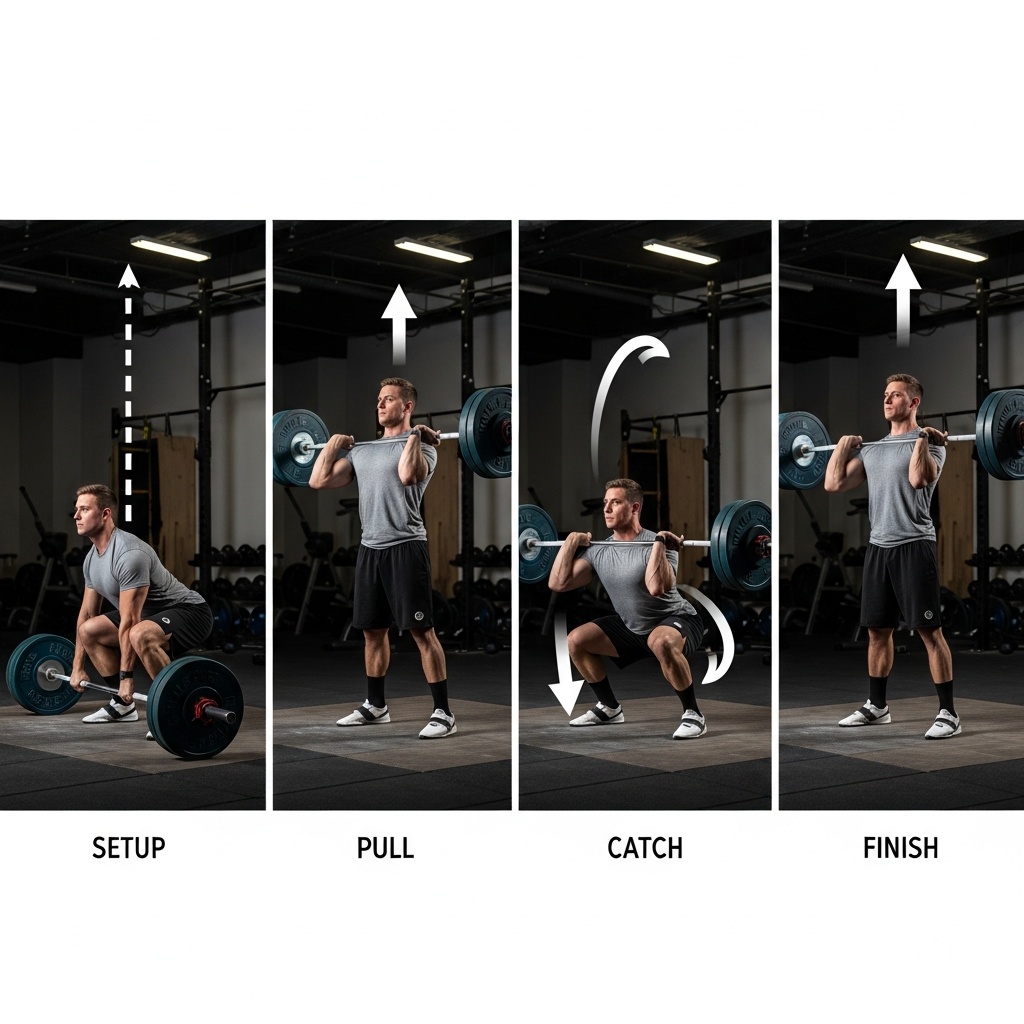
Ready to learn the power clean? Mastering this lift is all about understanding its distinct phases. By breaking down the movement, you can focus on perfecting each part before putting it all together. Good clean form starts with a solid setup and flows through each pull to the final catch.
We'll guide you through four simple steps to help you execute the power clean with confidence. Focusing on the proper form from the beginning will help you build a strong foundation, improve your performance, and reduce the risk of injury.
Step 1: Setting Up Your Starting Position
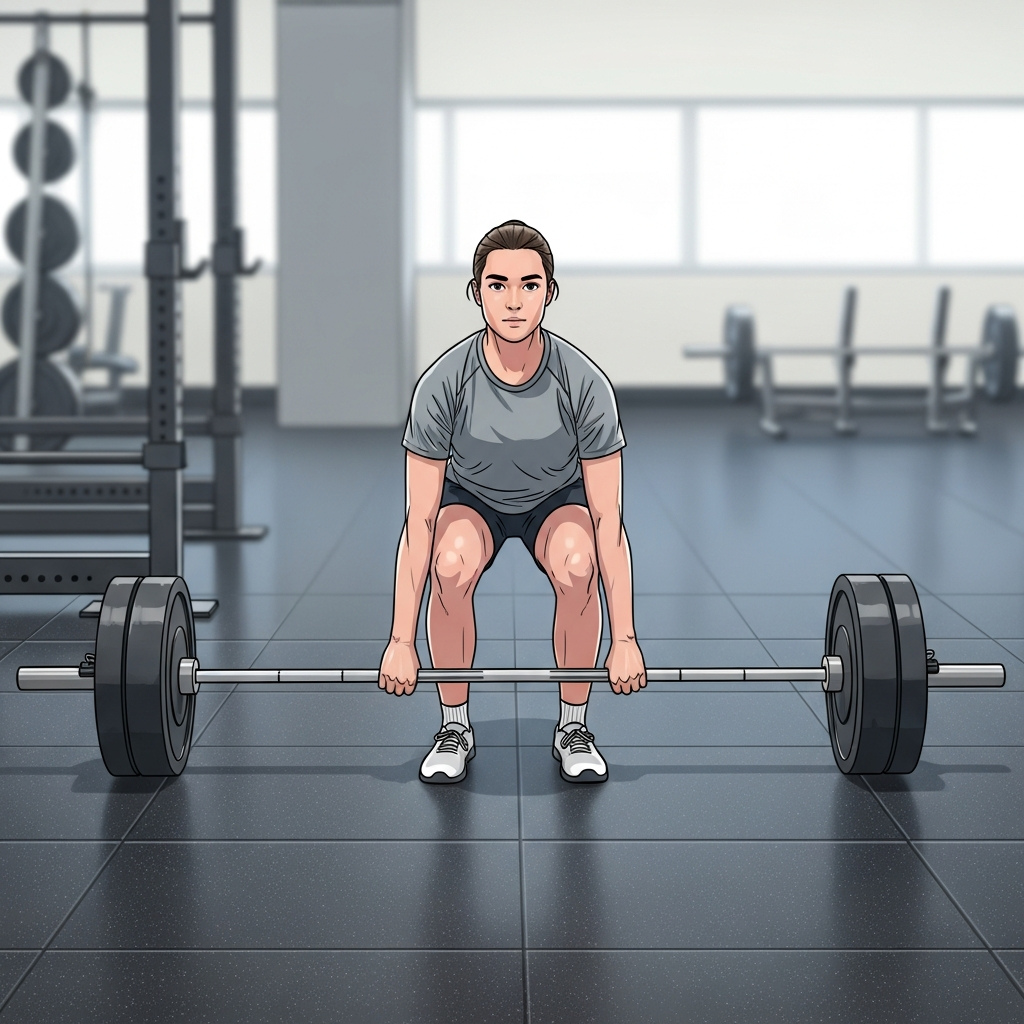
Your starting position sets the stage for the entire lift. An incorrect setup can throw off your balance and mechanics from the very beginning. The goal is to position your body for a powerful and efficient pull from the floor.
Think of this position as a modified squat. Your hips should be lower than your shoulders, and your back should be straight with a neutral spine. This ensures you are using your legs to drive the movement, not your lower back. The barbell should be positioned close to your shins, right over the balls of your feet.
Here’s how to set up your starting position:
- Stand with your feet hip- to shoulder-width apart, toes pointed slightly out.
- Squat down to grip the bar with a pronated (overhand) grip, slightly wider than your shoulders.
- Ensure your arms are straight and outside your knees, with your elbows pointed out.
- Maintain your chest elevated while positioning your shoulders just ahead of the bar.
Step 2: The First Pull – Lifting the Bar from the Floor
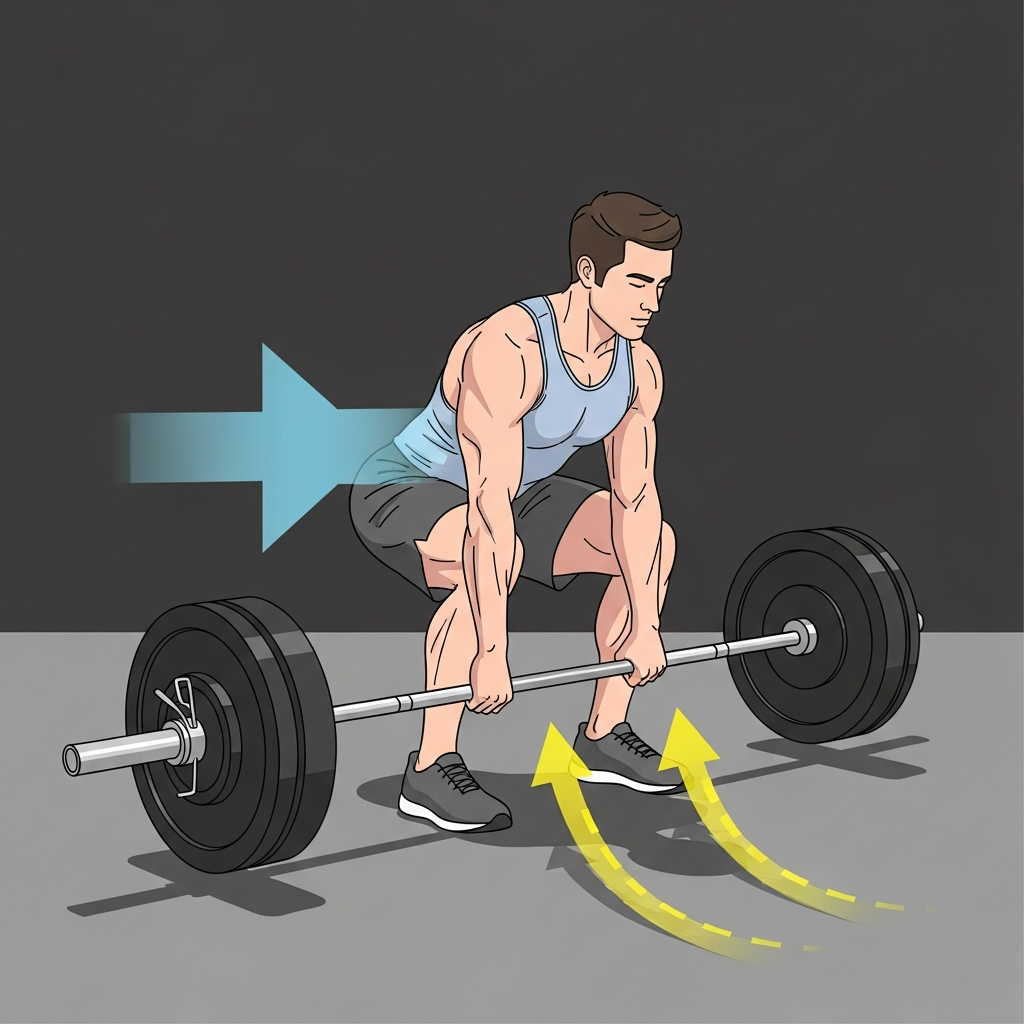
The first pull is the initial phase of the lift, where you move the barbell from the floor to just above your knees. This part of the movement is about controlled strength, not speed. The primary goal is to maintain proper body position and set yourself up for the explosive phase that follows.
You should initiate the lift by forcefully extending your hips and knees simultaneously. It's critical that your hips and shoulders rise at the same rate. If your hips shoot up faster than your shoulders, you will place unnecessary strain on your lower back. Keep your arms straight and the barbell as close to your shins as possible.
This phase creates the initial upward momentum. Think of it as a controlled deadlift. Keep your back neutral or slightly arched, your head in line with your spine, and your shoulders over or slightly ahead of the bar. The first pull ends once the bar has passed your knees.
Step 3: The Second Pull – Explosive Hip Extension
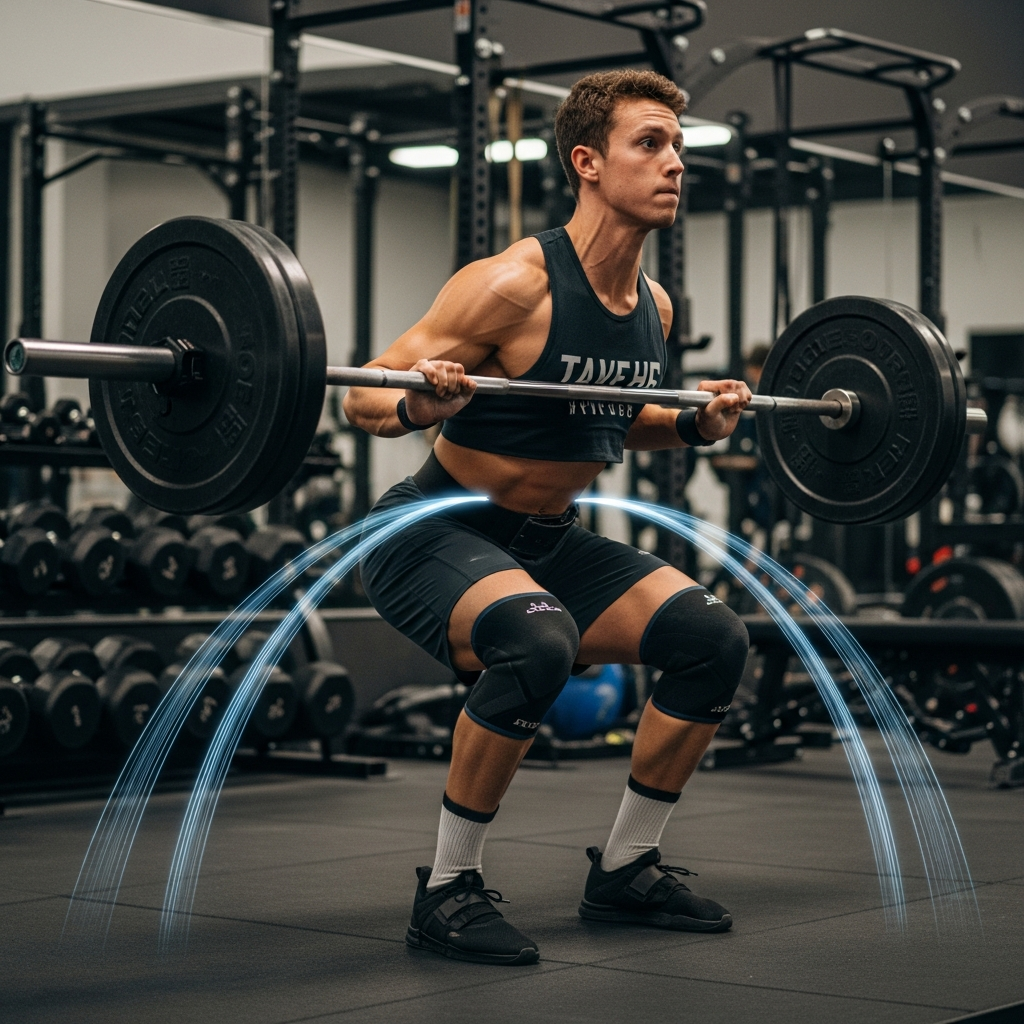
This is where the "power" in power clean comes from. The second pull is the most explosive part of the movement, where you generate the majority of the barbell's upward momentum. As the bar passes your knees, you'll thrust your hips forward and powerfully extend your hips, knees, and ankles in what is often called "triple extension."
This explosive hip extension is what propels the bar upward. As your lower body extends, you'll rapidly shrug your shoulders to continue the bar's journey. Your glutes are the primary driver of this movement, so focus on squeezing them forcefully. The bar should remain close to your body, brushing against your upper thighs.
Your arms stay straight for as long as possible during this phase. Only after your legs and hips have fully extended do you begin to pull with your arms. The force generated here should be so powerful that your feet might even leave the floor for a moment. This is the peak of your explosive strength display.
create image on Step 4: The Catch – Securing the Bar at Shoulder Level
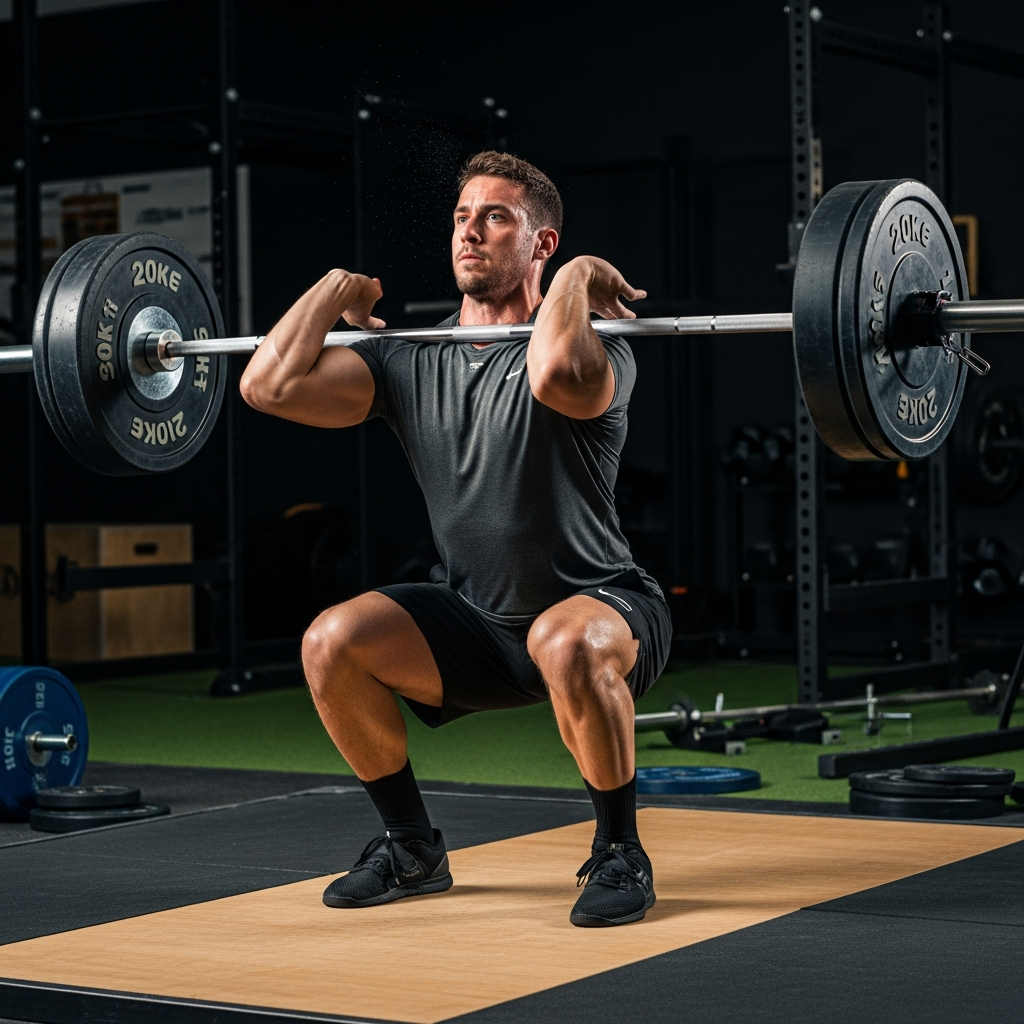
The catch is the final phase, where you receive the barbell in a stable position on your shoulders. As the bar reaches its maximum height from the second pull, you need to quickly drop your body underneath it. This involves rotating your elbows and hands around the bar and landing in a partial front squat.
As you pull yourself under the bar, your hips and knees will flex into a quarter-squat position. Your feet might land slightly wider than your starting stance to create a more stable base. The goal is to catch the bar on your anterior deltoids and clavicles, not your hands. Your elbows should be pointing forward, high and parallel to the floor, creating a solid shelf for the barbell.
Once you have secured the bar and have full control, stand up to complete the repetition. To lower the weight, carefully rotate your arms back around the bar and guide it down to your thighs before lowering it to the floor in a controlled manner. This receiving position is crucial for safety and a successful lift.
Essential Equipment and Safety Tips for Beginners
Getting started with the power clean requires the right equipment and a strong focus on safety. A standard barbell and a set of weights are all you need, but how you use them matters most. Prioritizing safety tips from the beginning is the best way to ensure long-term success and injury prevention.
It’s always best to start light and perfect your technique before adding significant weight. This section will cover how to select the right gear and follow essential warm-up and safety protocols to keep you lifting strong and pain-free.
Choosing the Right Barbell and Weights
Selecting the appropriate barbell and weights is fundamental to your strength training journey, especially with a technical lift like the power clean. For beginners, it's highly recommended to start with an empty barbell or even a PVC pipe to master the movement pattern before adding any weight.
When you're ready to add weights, choose a load that allows you to maintain perfect form through every phase of the lift. It's better to perform clean reps with lighter weights than to struggle with a heavy load that compromises your technique. As you get stronger and more confident, you can gradually increase the weight.
Here’s a simple guide for choosing your starting weight:
|
Experience Level |
Recommended Starting Weight |
|---|---|
|
Absolute Beginner |
PVC pipe or empty barbell (15-45 lbs) |
|
Some Experience |
Lightly loaded barbell (focus on technique) |
|
Intermediate |
A challenging weight that still allows for perfect form |
Warm-up Exercises and Injury Prevention
A proper warm-up is non-negotiable for injury prevention when performing power cleans. This explosive exercise places high demand on your muscles, joints, and connective tissues, so preparing your body is essential. A good warm-up increases blood flow to your muscles and improves mobility in your hips, ankles, and shoulders.
Your warm-up routine should include dynamic stretches and mobility drills that mimic the movements of the power clean. Activities like yoga can also be a great complement to your training, as it improves flexibility and core strength over time. Never jump straight into heavy lifting without warming up first.
Consider incorporating these warm-up exercises before your power clean session:
- Hip circles and leg swings to open up your hips.
- Torso twists to mobilize your spine.
- Front squats with an empty barbell to practice the catch position.
- Good mornings to activate your hamstrings and lower back.
- Shoulder pass-throughs with a band or PVC pipe.
Common Mistakes to Avoid with the Power Clean Barbell
As a complex, full-body movement, the power clean has a lot of room for error, especially for beginners. Being aware of the most common mistakes is the first step toward avoiding them. Most errors stem from a breakdown in proper form, which can lead to inefficient lifts and increase your risk of injury.
Issues often arise with improper lifting technique, like using your lower back instead of your legs, or errors in the bar path. We'll explore these common pitfalls and provide simple fixes to help you maintain safe and effective form.
Improper Lifting Technique and How to Fix It
One of the most frequent errors in the power clean is using the wrong muscles to lift the barbell. Many beginners tend to pull with their arms or rely too much on their lower back instead of driving the movement with their powerful leg and hip muscles. This improper lifting technique is not only inefficient but also a quick way to get injured.
The fix starts with focusing on the fundamentals of proper form. Consciously drive the lift with your legs off the floor and initiate the second pull with an explosive hip thrust. Your arms should act more like ropes, guiding the bar up, rather than the primary movers. In the receiving position, your quads should absorb the impact, not your back.
Below are frequent mistakes in technique along with ways to fix them:
- Pulling with arms too early: Keep your arms straight until after hip extension. Practice hang cleans to focus on this.
- Hips rising too fast: Keep your chest and hips rising together. Film yourself to check your form.
- Catching the bar with your hands: Focus on rotating your elbows high and fast to create a shelf with your shoulders.
- Rounding your lower back: Brace your core and keep your chest up throughout the lift.
Bar Path Errors and Their Impact on Performance
The path the barbell travels during a power clean is critical for an efficient and successful lift. An ideal bar path is one that stays as close to your body as possible throughout the entire movement. When the bar drifts away from you, it can pull you off balance and make the weight feel much heavier.
A common bar path error is "looping" the bar out and around the knees during the first pull instead of bringing the knees back to let it travel straight up. This wastes energy and reduces the upward momentum you can generate. In the second pull, letting the bar get too far in front of your body forces you to jump forward to catch it, compromising your receiving position.
Correcting your bar path has a significant impact on performance. Focus on keeping the bar close enough to brush against your shins and thighs. This ensures that you are transferring force directly upward, maximizing your power and making the lift feel smoother and more controlled. Drills like clean pulls can help you practice maintaining a vertical bar path.
Conclusion
In conclusion, mastering the Power Clean Barbell can significantly enhance your strength training routine and overall athletic performance. By following the four simple steps outlined in this guide, you can ensure proper technique while maximizing the benefits of this unique exercise. Remember to focus on your setup, the pulls, and the catch, while also keeping safety and equipment choice in mind. Avoiding common mistakes will further solidify your progress and prevent injuries. Now that you're equipped with the knowledge to perform the Power Clean effectively, why not take the next step? Get started on your journey today and unlock your full potential in barbell training!
Frequently Asked Questions
How Often Should I Add Power Cleans to My Workout Routine?
For most people, incorporating the power clean into your strength training routine 1-2 times per week is effective. Since it's a demanding full-body exercise, focus on low reps (1-5 per set) to maintain good form. It’s best to perform them at the beginning of your workout when you're fresh.
What Are the Top Tips for Barbell Power Clean Beginners?
Beginners should start with an empty barbell to learn the movement. Focus on mastering the starting position and maintaining proper form throughout each phase. Concentrate on generating explosiveness from your hips, not pulling with your arms. Be patient and prioritize technique over weight to build a solid foundation.
REFERANCE:
https://blog.nasm.org/fitness/developing-power-in-everyday-athletes-with-plyometrics
https://pubmed.ncbi.nlm.nih.gov/34536199/
https://pubmed.ncbi.nlm.nih.gov/29547489/
https://www.ncbi.nlm.nih.gov/pmc/articles/PMC7963197/
https://www.crossfit.com/certificate-courses/level-1
https://niketrainingclub.sng.link/Ara19/3ocq/gnbq
https://www.acefitness.org/resources/pros/expert-articles/5811/5-benefits-of-compound-exercises/