

Key Highlights
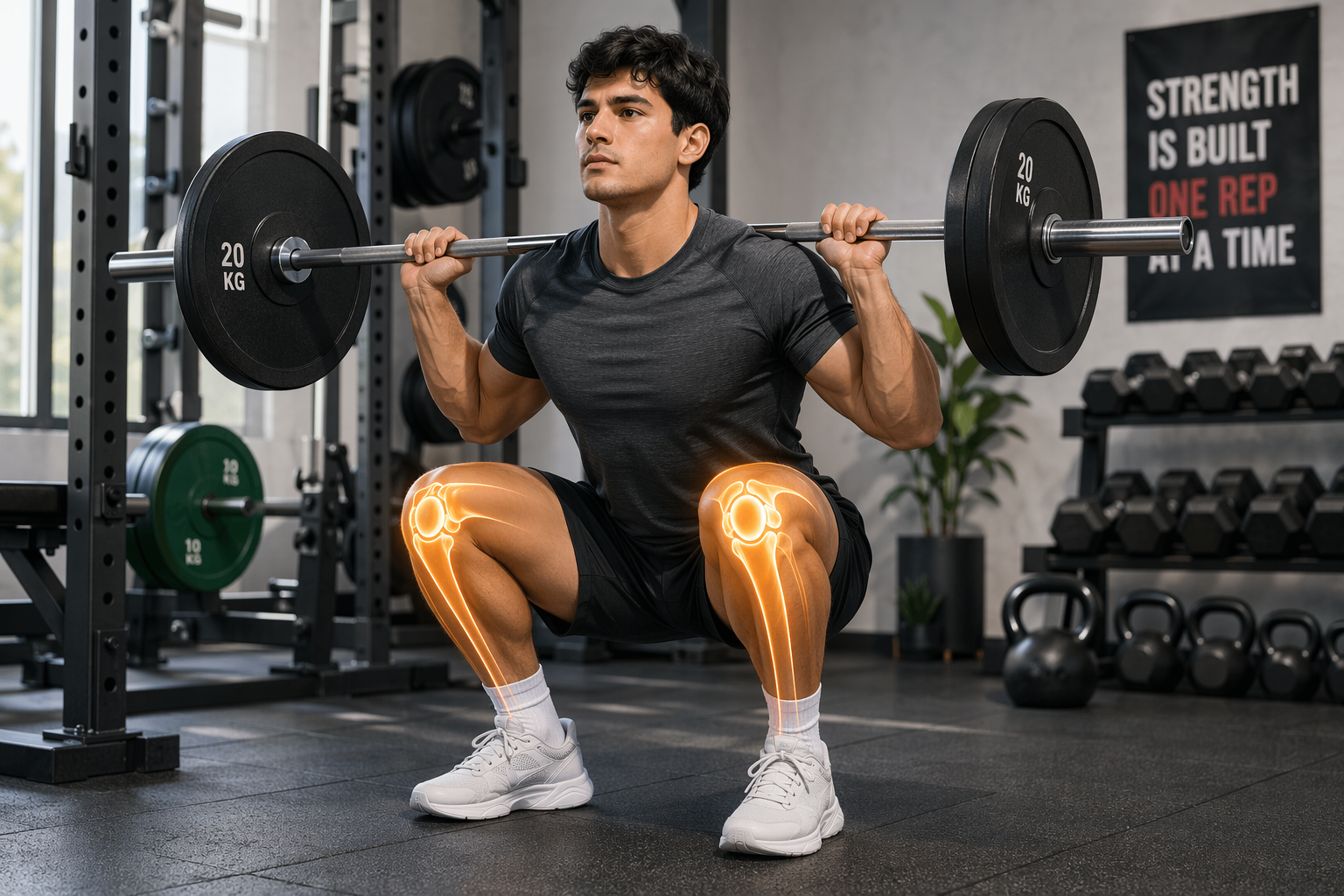
- Knee pain during squats often comes from pressure in the knee joint that shows up only when you bend deeply.
- Common causes include patellofemoral pain syndrome, meniscus tear, tendon irritation, and weak hip muscles.
- Your squat form matters because improper form can shift extra stress to the front of the knee.
- Simple pain relief steps include lighter loads, shallower squats, ice, and rest.
- A better workout routine with strengthening and mobility work can support stronger, more stable knees.
Introduction
If you feel knee pain every time you squat, you are not imagining it. Squats place heavy demand on the knee joint, especially as the knee bends deeper. When muscle strength, flexibility, or alignment is off, that load can irritate the joint and make movement uncomfortable. In many cases, the issue is not squatting itself but how your body handles the movement. That is why looking at squat form, symptoms, and related conditions is the first step toward relief.
(ALSO READ: Master the Back Barbell Squat: A Beginner's Guide)
Understanding why do my knees hurt when i squat
Squats can hurt when other activities do not because they load the knee joint much more than walking or standing. As you lower down, pressure rises under the kneecap and through the cartilage, tendons, and meniscus. That extra demand can expose a problem that stays quiet during lighter movement.
The common causes include poor squat form, patellofemoral pain, meniscus tear, tendon irritation, and weakness in the hips or glutes. Some people also have tight leg muscles or limited range of motion, which changes how force moves through the knee. The sections below break this down more clearly.
Why Squats Trigger Knee Discomfort
Squats challenge the knee joint in a very specific way. When the knee bends, the kneecap presses harder against the thigh bone. That can trigger patellofemoral pain or patellar pain that you may not notice during easier movements like level walking. Deep squats increase that pressure even more.
Another reason is load. Squatting asks your hips, thighs, ankles, and core to work together. If one area is weak or tight, the knee often takes the extra stress. That is why you may feel discomfort only during squats and not during daily steps or standing position activities.
Sometimes the symptom is a dull ache, and sometimes it is sharp pain. Sharper pain may reflect a flare-up or stronger irritation, not always a worse injury. If pain appears with swelling, locking, or instability, the movement may be aggravating a structural issue inside the joint.
Key Differences Between Squat-Related and Other Knee Pain
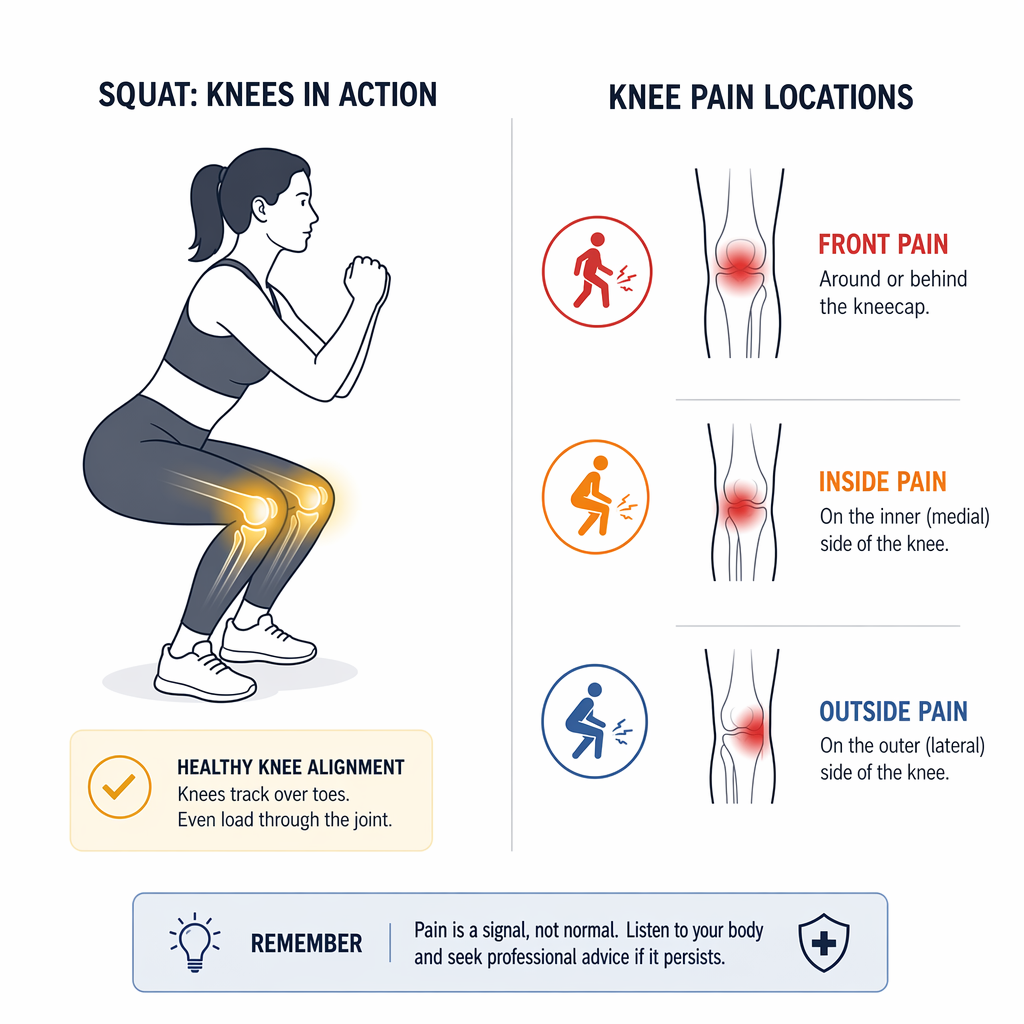
Not all knee pain behaves the same way. Pain linked to squat form usually appears during lowering, rising, or deeper knee bends. It often improves when you reduce squat depth, use less weight, or correct alignment.
Discomfort from a severely aggravated tissue might persist following physical activity, or become noticeable when climbing stairs or twisting.
The feeling also matters. A dull ache at the front can suggest kneecap stress. Burning pain below the kneecap may point toward the patellar tendon. Locking or catching can be more suspicious for cartilage trouble.
|
Pain pattern |
What it may suggest |
|---|---|
|
Pain only during deep squats |
Load sensitivity, form problem, or patellofemoral irritation |
|
Pain below kneecap |
Patellar tendon stress or patellar tendonitis |
|
Dull ache around front of knee |
Patellofemoral pain or runner’s knee |
|
Burning pain outside of the knee |
Iliotibial band syndrome |
|
Pain with locking or twisting |
Meniscus involvement |
If symptoms change when you adjust squat form, your technique may be a major factor.
(ALSO READ: 7 Effective Barbell Back Squat Alternatives to Try Toda)
Common Causes of Knee Pain When Squatting
Several common causes can make squatting painful. The most common causes of knee pain in this movement are patellofemoral problems, meniscus tear, and irritation of the tendons around the kneecap. Weak hips and glutes can also overload the joint.
In some cases, the causes of knee pain include cartilage wear, tendon changes, ligament sprains, or older common knee injuries that never healed well. Where the pain sits, how it feels, and whether the knee swells or locks can help narrow things down. Let’s look at the leading issues first.
Patellofemoral Pain Syndrome and Chondromalacia
Patellofemoral pain syndrome is one of the most common causes of squat-related discomfort. You may know it as runner’s knee. This problem involves the kneecap not moving well in its groove, which increases friction and pressure during bending. As a result, squats can trigger patellofemoral pain at the front of the knee.
Chondromalacia is closely related. It refers to softening or breakdown of the cartilage under the kneecap. That cartilage should help movement stay smooth, but when it wears down, squatting can become irritating and tender. Weighted or deep squats often make symptoms more noticeable.
You may feel patellar pain around or under the kneecap, especially after activity. Some people also notice popping, redness, or tenderness. If pain keeps returning with bending, this pattern often deserves attention because repeated loading can keep the area inflamed.
Meniscus Injuries and Tendinitis
A meniscus tear is another major reason squats hurt. The meniscus works like a shock absorber inside the knee joint, helping spread force during bending. When it is damaged, added pressure from squatting can cause pain, irritation, and swelling.
This type of problem may create sharp knee pain, especially if you squat and twist at the same time. Some people feel pain along the sides or back of your knee. A locking or catching sensation can also happen, which is a clue that the cartilage may be involved.
Tendon problems are also common. Patellar tendonitis causes pain just below the kneecap, while quadriceps tendonitis tends to hurt above or at the front of the knee. Repeated stress from jumping, running, or frequent squatting can inflame these tissues and make every rep feel harder.
Is Your Squat Technique Causing Knee Pain?
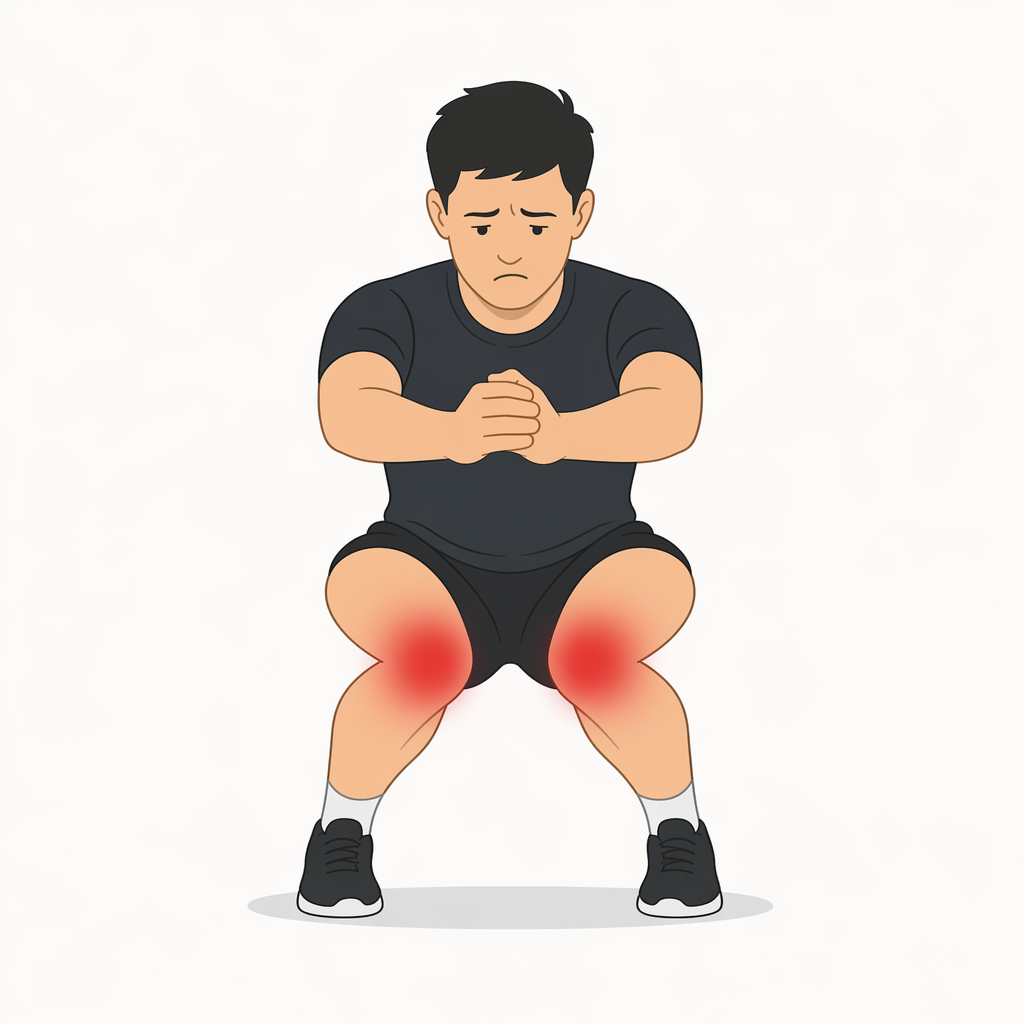
Sometimes the biggest issue is not the squat itself but your squat form. If your body is not aligned well, the knee may absorb force that should be shared by the hips, ankles, and leg muscles. Weak hip muscles can make this worse by allowing the knees to drift into a poor path.
Improper form often leads to knee pain that appears during the movement and eases when technique improves. That makes it important to recognize warning signs early. The next two sections cover what poor mechanics look like and which errors commonly create trouble.
Signs of Improper Squat Form
A form-related problem often leaves clues. You may notice pain only during squats, especially as you lower deeper. If symptoms improve when you shorten the movement, reduce load, or use a wall for support, improper form may be a key driver.
Watch for changes in how your knees track and how stable you feel. Tight muscles or limited range of motion can push the movement out of balance, and your knees end up paying for it.
- Your knee pain starts mainly during lowering or rising, not at rest.
- The discomfort eases when you use less weight or reduce depth.
- You feel wobbly, uneven, or unable to keep good alignment.
These signs do not prove the exact cause, but they suggest technique deserves attention. That can be an important step toward pain relief before the issue turns into a longer-term problem.
Typical Mistakes That Lead to Knee Problems
A few mistakes show up again and again in people with sore knees. One is going deeper than your body can control. Another is adding too much weight before your muscles are ready. When that happens, the load shifts forward and the joint takes more stress during knee bends.
Poor control from muscle imbalances also matters. Weak glutes, hips, or core support can leave the knees doing extra work. Limited ankle movement can create the same issue, especially if the squat feels cramped or awkward.
- Lifting more weight than your current strength capacity allows
- Forcing squat depth that triggers pain
- Letting weak hips or glutes create muscle imbalances
- Continuing despite rising discomfort and risking knee injury
Helpful modifications include wall squats, shallower reps, and reducing load. These changes can lower joint stress while you rebuild control.
(ALSO READ: Smith Machine Squat vs Barbell Squat: Which Is Best?)
Prevention and Relief for Knee Pain from Squats
The best approach usually combines short-term pain relief with a longer treatment plan. Start by reducing activities that aggravate the knee, adjusting your squat style, and avoiding deep or loaded reps that trigger symptoms. Ice, rest, and support can calm irritation.
Over time, physical therapy and strengthening work can help create stronger muscles around the joint so the knee handles force better. If you kneel often, knee pads may help reduce pressure in some situations. Next, let’s cover home care and practical squat changes.
Home Remedies and At-Home Care
At-home care can help many mild cases settle down. Good home remedies include relative rest, using ice after activity, and temporarily stopping before the painful part of the squat. This reduces irritation while the tissues calm down. If swelling is present, compression and elevation may also help.
Strength work matters too. The muscles around the knee support the joint like a natural shock absorber, so building them up can reduce stress over time. A simple treatment plan often starts with lighter activity and gradual return.
- Ice the area for about 15 to 20 minutes after aggravating activity
- Rest from painful squats and avoid forcing deep knee bends
- Use compression and elevation if swelling is present
You should seek professional evaluation if pain follows an injury, if the knee locks, catches, gives way, or shows severe swelling, or if symptoms do not improve after 4 to 6 weeks.
Safe Squat Modifications and Protective Strategies
Small changes can make squats much easier on your knees. A useful exercise is the wall squat; position yourself with your back pressed against the wall and your feet spaced shoulder-width apart, making sure your knees remain aligned directly above your heels.
Lower only to a comfortable level and avoid dropping below knee height if that causes pain.
You can also change your workout routine so the joint is not overloaded. Shallower squats, lighter weights, and gradual progression often work well. Stretching the hamstrings and quadriceps may improve flexibility and support proper alignment.
- Use wall-supported squats to reduce knee load
- Stop the movement before pain begins and stay above knee height if needed
- Build stronger muscles with regular strength training exercises for the glutes, quads, and hips
If kneeling is part of your routine, knee pads may offer extra protection. These squat modifications can help you stay active while the knee settles.
Conclusion
In summary, experiencing knee pain while squatting can stem from a variety of factors, including improper technique and underlying conditions like Patellofemoral Pain Syndrome or meniscus injuries. Understanding the root causes is crucial for effective management and prevention. By making necessary adjustments to your squat form, incorporating safe modifications, and utilizing at-home care strategies, you can significantly alleviate discomfort and enjoy your workouts again. Remember, your knees bear the weight of your body, so treating them with care is essential for overall well-being. If you're looking for personalized advice or solutions, don't hesitate to reach out for a consultation with our experts.
Frequently Asked Questions
Can knee pain during squats indicate a serious injury?
Yes, it can. A knee injury such as a torn ligament, meniscus tear, or patellar tendon tear may cause pain during squats, especially if symptoms started after a twist or impact. Swelling, locking, buckling, or severe pain suggest an underlying cause that needs prompt medical attention.
Are there specific exercises to help reduce knee pain while squatting?
Yes. A smart workout routine can include regular strength training exercises for the glutes, quads, and hip stabilizers to build stronger muscles around the knee. Stretching the hamstrings and quadriceps may also improve range of motion. Together, these steps can support better mechanics and pain relief.
REFERENCE:
https://www.verywellfit.com/how-to-do-a-bulgarian-split-squat-4589307
https://www.sciencedirect.com/science/article/abs/pii/S1466853X21000456